


Living with Hashimoto’s Thyroiditis: The Best Evidence-Based Diet, Nutrition, and Root-Cause Approach (Part 2)
- Zahra Tromsness, MHSc, RD

- 15 minutes ago
- 6 min read

In Part 1 of this series, I shared my personal journey with Hashimoto’s thyroiditis and explained why focusing solely on TSH often leaves patients without real answers, or relief.
In Part 2, we’ll take a deeper look at what conventional care frequently overlooks and how a root-cause approach to nutrition, medication, and diet can significantly improve outcomes for people living with Hashimoto’s.
Why Iron and Key Nutrients Matter in Hashimoto’s
Your thyroid cannot function without the right building blocks. Yet nutrient deficiencies are one of the most common, and most overlooked, contributors to persistent symptoms in Hashimoto’s thyroiditis.
Iron and Thyroid Hormone Production
Iron is essential for thyroid peroxidase, the enzyme required to produce thyroid hormones. Many patients are told their iron is “normal” based only on ferritin levels. However, ferritin reflects iron storage, not how much iron is actually available for use.
Ferritin can appear normal even when functional iron deficiency is present. A complete iron panel, including serum iron, total iron-binding capacity (TIBC), and transferrin saturation, provides a much clearer picture of iron status and thyroid support.

Other Critical Nutrients for Thyroid and Immune Health
Selenium: Supports conversion of T4 to active T3 and protects thyroid tissue from oxidative stress. Multiple systematic reviews and meta-analyses show selenium supplementation may reduce thyroid antibody levels in some individuals with Hashimoto’s.
Vitamin D: Plays a key role in immune regulation. Low vitamin D levels are common in autoimmune thyroid disease, and supplementation has been associated with improved quality of life and reduced antibody levels in certain populations.
Zinc and iodine: Required for thyroid hormone synthesis and conversion. However, balance is critical; excess iodine intake can worsen autoimmune activity in susceptible individuals.
Myo-inositol: Supports TSH receptor signaling. When combined with selenium, clinical trials show improvements in TSH and thyroid antibody levels, particularly in subclinical hypothyroidism.
This is why testing and individualized supplementation are far more effective than guessing or taking supplements indiscriminately.

Thyroid Medication: Why One Size Does Not Fit All
Most people with hypothyroidism are prescribed levothyroxine (T4). For many, it works well. For others, symptoms persist despite “normal” lab values.
What Patients Aren’t Always Told
Formulation matters. Standard tablets may contain fillers, dyes, and binders that interfere with absorption. Hypoallergenic formulations such as Tirosint (capsules or soft gels) may be better tolerated, especially in individuals with gut sensitivity.
Conversion matters. T4 must be converted into active T3.
This process can be impaired by:
Chronic stress
Gut dysbiosis or SIBO
Liver dysfunction
Iron, selenium, or zinc deficiency
In some cases, adding low-dose liothyronine (T3) or adjusting medication strategy can significantly improve symptoms.
Thyroid medication should be individualized. Sometimes small changes lead to meaningful improvements.

Is There a “Hashimoto’s Diet”?
This is one of the most common questions people ask, and the most misunderstood.
Hashimoto’s is an autoimmune condition, not simply a thyroid hormone deficiency. Antibody levels, immune triggers, gut health, and nutrient status vary widely. That’s why restrictive, one-size-fits-all diets often fail.
However, research does support specific dietary patterns that can help regulate the immune system and reduce inflammation.
Evidence-Based Dietary Approaches for Hashimoto’s
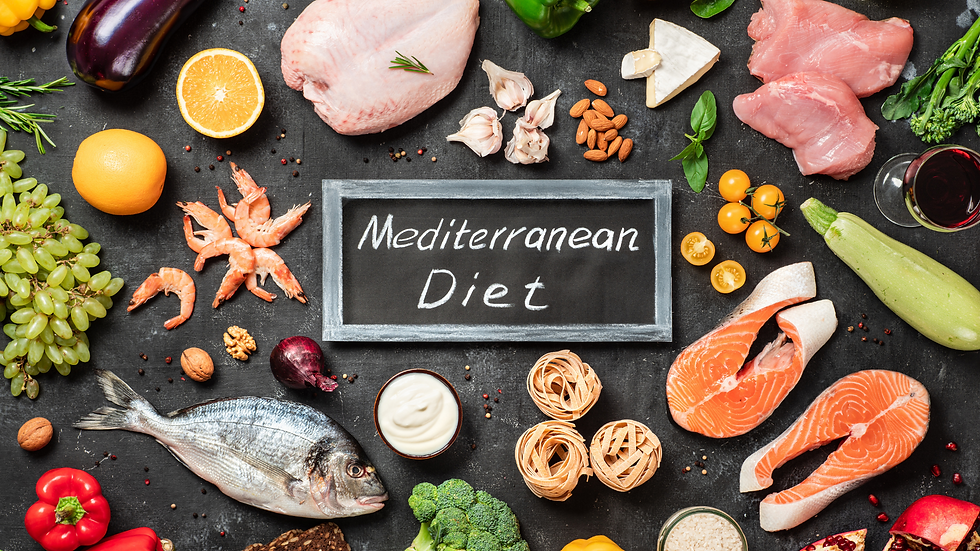
The Mediterranean-Style Diet: The Best-Supported Approach
When we look at the research as a whole, the Mediterranean-style diet has the strongest and most consistent evidence for supporting autoimmune and thyroid health.
This way of eating isn’t a strict diet, it’s a pattern that focuses on real, whole foods.
What This Looks Like in Everyday Life
A Mediterranean-style diet emphasizes:
Plenty of vegetables and fruits
Legumes (lentils, chickpeas, beans)
Whole grains (as tolerated)
Olive oil as the main source of fat
Fish and seafood a few times per week
Nuts and seeds
Very little ultra-processed food
Think less about “rules” and more about building meals around whole ingredients.
Why This Helps Hashimoto’s
Studies show that people who follow a Mediterranean-style diet tend to have:
Lower overall inflammation
A more diverse and resilient gut microbiome
Better blood sugar and metabolic health
In some cases, lower thyroid antibody levels
This diet naturally provides nutrients that are important for thyroid and immune function without extreme restriction. That’s why it’s often an excellent starting point for people with Hashimoto’s.
Anti-Inflammatory Eating: Calming the Immune System
Hashimoto’s is driven by immune activity, and what we eat can either support or strain that system.
Diets high in added sugars, refined carbohydrates, and heavily processed foods can promote chronic inflammation and oxidative stress, which may worsen autoimmune symptoms over time.
An anti-inflammatory approach focuses on:
Reducing ultra-processed foods
Limiting added sugars and sweetened drinks
Keeping alcohol intake moderate
Choosing whole, minimally processed foods most of the time
This doesn’t have to be perfect. Even small shifts like eating more home-cooked meals or reducing sugary snacks can make a noticeable difference in energy, digestion, and overall well-being.
Gluten and Hashimoto’s: What the Research Shows
Gluten is one of the most talked-about topics in Hashimoto’s and also one of the most misunderstood.
When a Gluten-Free Diet Is Necessary
Celiac disease is more common in people with Hashimoto’s
In this case, a strict lifelong gluten-free diet is essential
In Non-Celiac Hashimoto’s
For people without celiac disease, the research is mixed:
Some studies show small reductions in thyroid antibodies
Others show no meaningful benefit
Symptom response varies widely from person to person
What this tells us is that gluten is not automatically harmful for everyone with Hashimoto’s.
If a gluten-free diet is tried, it should be:
A short-term trial (usually 8–12 weeks)
Monitored for symptom changes (and labs when appropriate)
Done with guidance to avoid nutrient gaps
Going gluten-free “just in case” is not always helpful, and can sometimes make nutrition worse if not done carefully.

Dairy, Soy, Sugar, and the Gut–Thyroid Connection
After gluten, the next most common questions I hear are about dairy, soy, and sugar, often framed as foods people feel they "should" avoid, even when they’re not sure why.
Dairy and Hashimoto’s
Some people with Hashimoto’s notice that dairy worsens bloating, congestion, or digestive symptoms, especially if they have lactose intolerance or underlying gut issues. That experience is valid but it’s important to separate individual response from universal rules.
At this time, there is no strong evidence that dairy automatically worsens Hashimoto’s thyroiditis for everyone. For many people, dairy is neutral. For others, it can be a trigger.
When dairy is an issue, fermented options such as yogurt or kefir are often better tolerated. Eliminating dairy is only helpful if symptoms clearly improve, and it doesn’t need to be permanent if it’s not providing benefit.

Soy and Thyroid Health
Soy is often blamed for thyroid problems, but soy does not cause Hashimoto’s.
The more relevant concern is timing, not avoidance. Soy foods can interfere with thyroid medication absorption if eaten too close to dosing. This is why thyroid medication should always be taken on an empty stomach, with food, especially soy, delayed for at least 30–60 minutes.
When medication timing is managed properly, moderate soy intake is generally safe for most people.
Added Sugar and Energy Levels
Added sugars don’t directly cause Hashimoto’s, but higher intakes can contribute to fatigue, blood sugar swings, and low-grade inflammation; symptoms many people with hypothyroidism already struggle with.
Reducing added sugars often helps people feel more stable and energized, without needing to eliminate all treats. This is about balance, not perfection.
The Gut–Thyroid Connection
We’re learning more each year about how closely the gut, immune system, and thyroid are connected.
Dietary patterns that support gut health tend to include:
Fiber-rich foods like vegetables, legumes, and whole grains (as tolerated)
Polyphenol-rich foods such as berries, olive oil, herbs, and spices
Fermented foods, when they’re well tolerated
For individuals with IBS, SIBO, bloating, or food sensitivities, these foods sometimes need to be adjusted temporarily. The goal is never to overly restrict, but to support digestion while maintaining nutrient adequacy.
This is where individualized nutrition becomes especially important.
The Bottom Line
There is no “perfect” diet that cures Hashimoto’s. But an evidence-based, personalized approach to nutrition can:
Reduce inflammation
Support immune balance
Improve energy and quality of life
Help thyroid medication work more effectively
For most people, a Mediterranean-style, anti-inflammatory foundation, adapted to individual needs and gut health, is the most practical and evidence-based place to start.

If you have been told your labs are normal but you still do not feel well, you are not imagining it. Many people with Hashimoto’s are reassured by numbers that do not reflect how they actually feel, and that can be deeply frustrating.
If you are living with Hashimoto’s and continue to struggle with fatigue, weight changes, brain fog, or skin concerns, it may be time to look a little deeper. Often, the connection between the gut and the thyroid plays a bigger role than we realize.
If you are curious about what that might look like for you, you are welcome to book a free call to talk through your symptoms and see whether working together feels like the right next step.
My goal is to help you support your thyroid, ease your symptoms, and feel more like yourself again, from the inside out.
To your best health,
Zahra
References
Selenium & Thyroid Autoimmunity
Cochrane Database of Systematic Reviews (2023)
Annals of Palliative Medicine (2021)
Thyroid Journal, Liebert Publishing (2023)
Mediterranean Diet & Autoimmune Thyroid Disease
Nutrients (2024), MDPI
International Journal of Molecular Sciences (2024), MDPI
Paloma Health (2024)
Gluten-Free Diet & Hashimoto’s
Frontiers in Endocrinology (2023)
Nutrients (2022), MDPI
Wiley Food Science & Nutrition
Myo-Inositol & Selenium
Frontiers in Endocrinology (2021)
Journal of Endocrinological Investigation (2025)
Systematic Review & Meta-Analysis (2023)



Comments